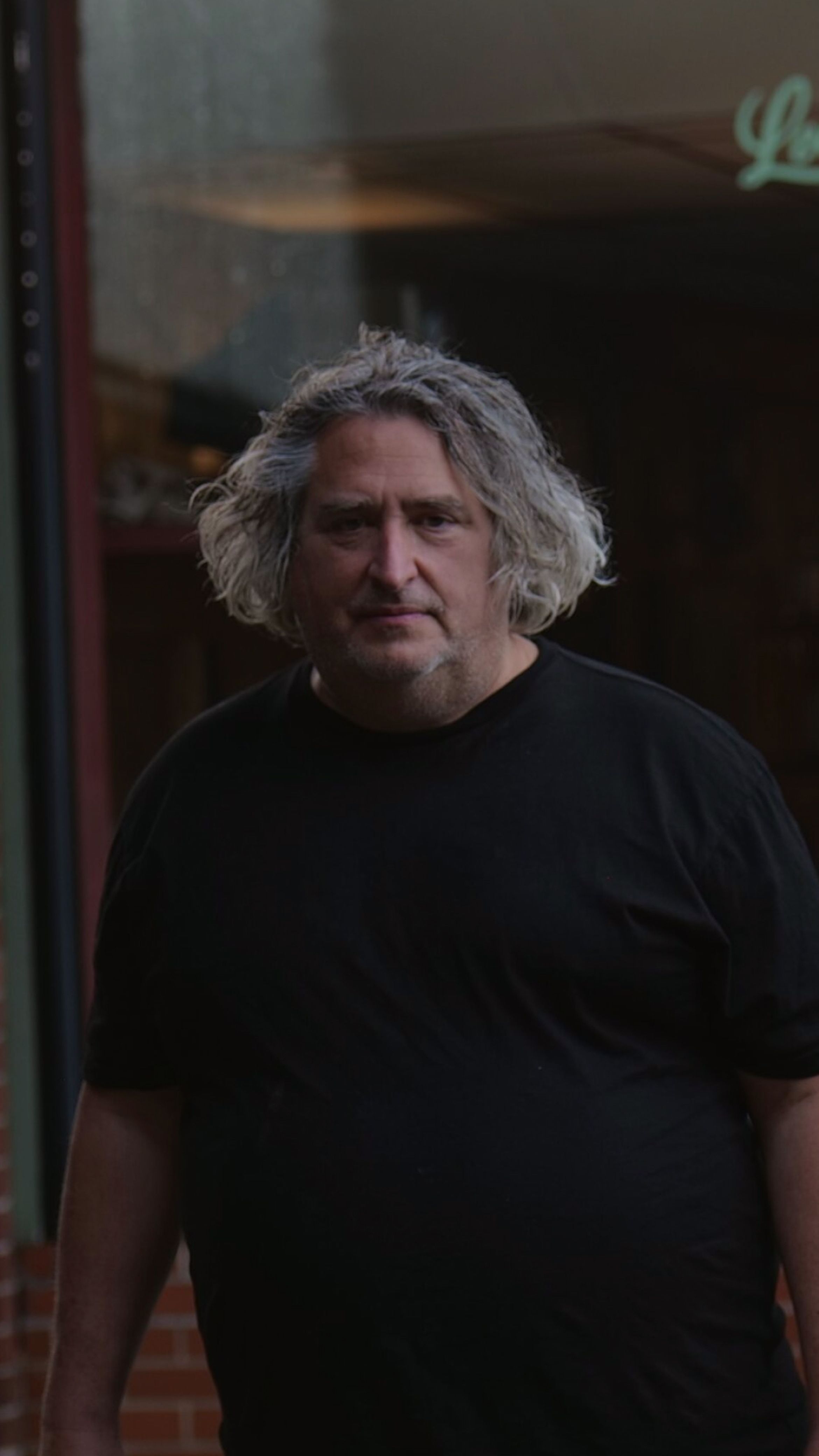
Emanoel Araújo was born in 1940 in Bahia, a state in the north-east of Brazil with a population that is 80% Black afro-descended. His family were goldsmiths, but his father encouraged Emanoel and his siblings to learn other crafts. Emanoel excelled in woodcarving and printmaking from an early age. He started working as a graphic designer at 13 to support his family and by 19 had his first solo exhibition. Shortly afterwards he relocated to the state capital of Salvador do Bahia to study fine art, but dropped out to pursue his professional career.
Untitled, 1972, Emanoel Araújo
Geométrico Vermelho, 1979, Emanoel Araújo
Untitled, 1986, Emanoel Araújo
Emanoel’s career flourished despite the social barriers of being openly gay and Afro-Brazilian in the mid-20th Century. He became known for his geometric sculptures that responded to the traditional art practices of the African diaspora in Brazil and beyond. He was particularly inspired by Candomblé – a religion practised in his birthplace, Bahia. It combines African animist beliefs with Catholicism. The syncretism pervaded his practice – appearing as motifs of deities, totems, slave ships, and masks. His travels to the Nigeria Festival of Black Arts and Culture in 1976 reaffirmed his need to reconnect divergent cultures across the diaspora.
Alongside his work as an artist, Emanoel had worked in many cultural institutions across Brazil, but found that “Brazil moves very slowly, the Brazilian art world is prejudiced.” In 2004, he opened Museu Afro Brasil in São Paulo, housed in a building designed by the renowned Brazilian modernist architect Oscar Niemeyer. The publicly-funded art museum challenges the erasure of African-descended cultures from Brazilian history. An avid collector of objects and artworks from around the world, Emanoel donated 2000 works from his personal collection to the museum.
Navio, 2021, Emanoel Araújo
Untitled, 2021, Emanoel Araújo
“The Collection is considered the largest Afro - American in America with more than 6,000 masterpieces, sculptures, documents, engravings, ceramics, paintings, contemporary arts, jewellery, objects, reliefs, photographs and textiles.”
Museu Afro Brasil
Emanoel Araújo died in 2022, just before his 82nd birthday. His vision lives on through the museum, which he regarded as his greatest legacy. It embodies his lifelong mission to uncover the deep African roots of modern Brazil.
Go Deeper
Emanoel Araújo interviewed by Hans Ulrich Obrist in 2021 for L’Officiel
New City Brazil interview for Emanoel Araújo’s retrospective at Museum of Art São Paulo
Artérias filmed an interview with Emanoel in his studio in 2020